Introduction
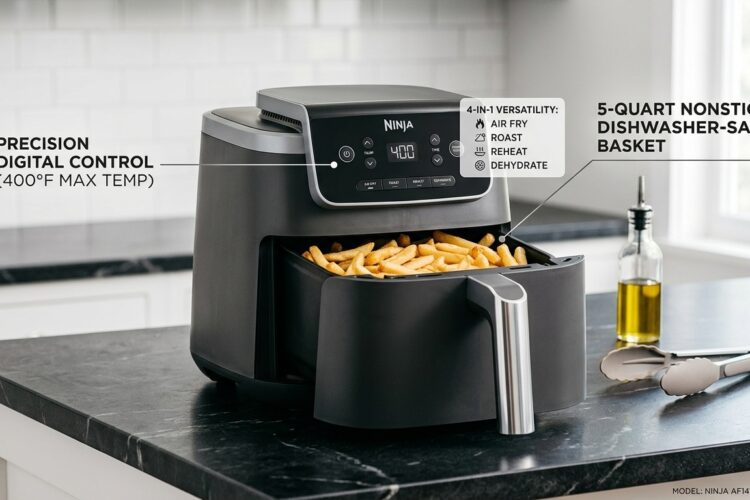
Air fryers have fundamentally changed how many people approach cooking at home. What started as a niche kitchen appliance has evolved into a practical tool that delivers consistent results across multiple cooking methods. The Ninja Air Fryer Pro represents one of the more versatile options available today, offering users the ability to prepare everything from crispy French fries to dehydrated vegetables and reheated leftovers.
This guide examines what makes this particular model worth understanding, how it functions in real-world cooking scenarios, and whether its capabilities align with your kitchen needs. Rather than focusing on sales metrics or ratings, we’ll explore the actual functionality and practical applications that matter when you’re deciding how to use your countertop space and investment.
The model in question—the Ninja Air Fryer Pro with a 5-quart capacity—sits in an interesting position within the air fryer market. It’s neither the most compact option nor the largest commercial-style unit. Understanding where it fits and what it can realistically accomplish is essential before integrating it into your cooking routine.
Understanding the Core Specifications
Before diving into practical applications, it helps to understand what the numbers and features actually mean in a kitchen context.
Capacity and Size Considerations
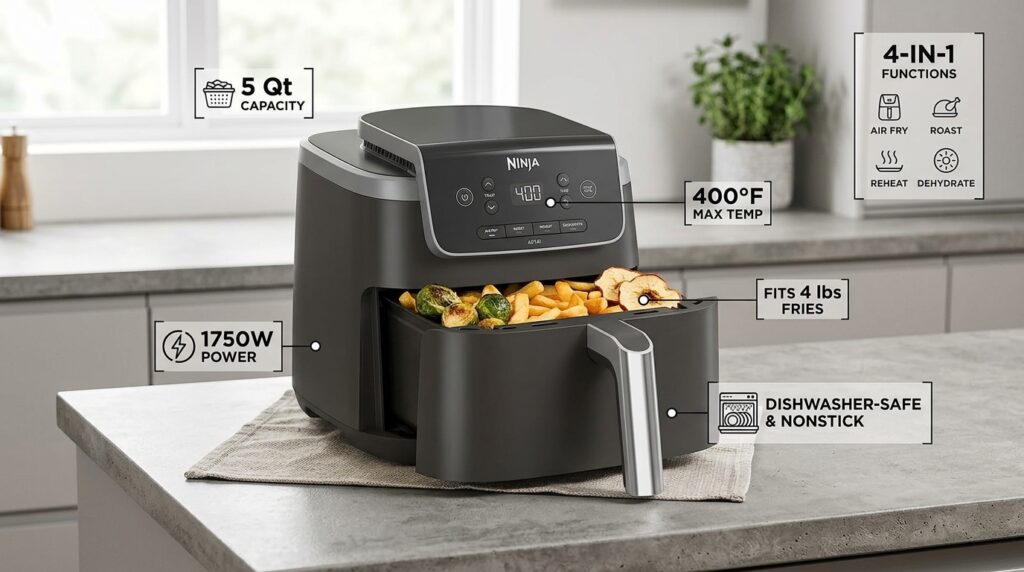
The 5-quart capacity is a meaningful specification that influences what you can prepare and how many servings it accommodates. To put this in perspective, a 5-quart basket can hold approximately four pounds of French fries, which represents a substantial batch—enough for a family meal or gathering with several people. The larger capacity means fewer cooking batches for larger quantities of food, which matters if you’re preparing meals for multiple people or doing any meal preparation.
The physical footprint is a related consideration that deserves attention. A 5-quart air fryer occupies more counter space than compact models, but it’s typically smaller than full-sized convection ovens. If you’re working with limited counter space, you’ll want to measure the dimensions before assuming it will fit your available area.
Power Output and Temperature Range
The 1750-watt power rating and 400°F maximum temperature represent the performance envelope of this unit. These specifications determine cooking speed and the types of techniques you can accomplish. The 400°F maximum temperature is sufficient for most air frying applications, though some recipes call for higher temperatures. It’s worth noting that air fryers reach their target temperature more quickly than traditional ovens due to their compact design and the concentrated heat circulation system.
The wattage influences how rapidly the unit heats and circulates air. Higher wattage generally means faster temperature recovery when you open the basket and add cold food, which can impact overall cooking time and consistency.
The Nonstick Basket and Dishwasher-Safe Design
Ease of cleanup is a practical consideration that affects long-term satisfaction with any kitchen appliance. The nonstick coating on the basket reduces food sticking and makes cleaning more straightforward. Over time, nonstick coatings can deteriorate with aggressive scrubbing or abrasive cleaners, so many users find the dishwasher-safe feature convenient for routine maintenance.
The Four Cooking Functions Explained
The “4-in-1” designation refers to four distinct cooking modes. Understanding how each one works and when to use it provides clarity on the appliance’s versatility.
Air Frying
Air frying is the signature function that gave this category of appliances its name. Despite the marketing terminology, air fryers work through rapid air circulation and high heat rather than actual “frying” with oil. The circulating hot air creates a Maillard reaction on the food surface, producing the crispy exterior that many people associate with deep-fried foods, but with significantly less oil.
In practical terms, this means you can prepare foods like chicken wings, vegetables, or breaded items with minimal added fat. The results depend on several factors: the food type, the amount of oil you choose to add, the temperature setting, and the cooking time. Foods with some natural fat content or those that benefit from a light oil coating tend to produce the most satisfying results.
The air frying function works best for items that benefit from a crispy exterior, such as breaded proteins, vegetable chips, or foods that traditionally deep fry well. It’s less effective for items that need sustained moisture or those that require gentle, slow cooking.
Roasting
Roasting in an air fryer differs slightly from traditional oven roasting, primarily because of the compact heating environment and intense air circulation. The shorter cooking times mean you need to monitor progress more carefully, as food can brown more quickly than expected.
Roasting is suitable for vegetables like Brussels sprouts, carrots, or broccoli, as well as larger protein items such as whole chickens (if they fit within the basket size) or thick-cut fish fillets. The dry heat environment creates browning and caramelization, though some foods may need occasional shaking or stirring to ensure even cooking.
Reheating
The reheat function addresses a common problem with leftover foods: achieving reheating without drying them out excessively. Because air fryers use dry heat circulation rather than microwave radiation, they can restore crispness to foods that have become soggy through other reheating methods.
This proves particularly useful for items like pizza, fried chicken, French fries, or breaded items where maintaining texture matters. The reheating process typically requires lower temperatures and shorter times than original cooking, though the exact settings depend on the food type and quantity.
Dehydrating
Dehydration uses low temperatures maintained over extended periods to remove moisture from foods. This function appeals to people interested in making vegetable chips, dried fruit, jerky, or other shelf-stable snacks. The extended cooking times mean you’re typically using this function separately from your meal preparation schedule.
Dehydrating in an air fryer works differently than dedicated dehydrators, partly because of the basket-based design. Some foods may need arrangement to ensure air circulation around all pieces, and results can vary based on the food’s moisture content and thickness.
Practical Cooking Applications and Ideas
Understanding what you can actually prepare helps determine whether this appliance fits your cooking style and needs.
Weeknight Proteins and Vegetables
One of the most common uses involves preparing protein-and-vegetable combinations for weeknight meals. You might air fry chicken breasts alongside roasted vegetables, all prepared in one compact appliance without requiring your main oven. The faster cooking times compared to traditional ovens reduce meal preparation time substantially.
Ground meat dishes work well too, though they require a cooking vessel or tray designed for the air fryer basket. Frozen protein items—from chicken nuggets to fish fillets—cook efficiently, often directly from the frozen state without thawing.
Batch Preparation and Meal Prep
The 5-quart capacity makes this suitable for preparing larger batches of foods for meal preparation. Someone might cook a batch of air-fried tofu, seasoned chickpeas, or roasted vegetables in one session, then portion and store them for the week. This approach can support meal planning workflows where you prepare components in advance.
Appetizers and Entertaining
When hosting or preparing appetizers, an air fryer can reduce the last-minute cooking stress. Frozen appetizer options that might traditionally go into a conventional oven can often cook faster in an air fryer. Fresh vegetables can be prepared quickly for dipping platters, and items like mozzarella sticks or spring rolls can be prepared in batches.
Snack Creation
The dehydrate function opens possibilities for creating custom snacks. Thinly sliced vegetables can become chips, and various fruits can be dehydrated for shelf-stable snacking. This appeals to people interested in controlling ingredients or creating specific flavor combinations not readily available commercially.
Leftover Revival
Beyond the dedicated reheat function, an air fryer serves as a general tool for bringing life back to leftover foods. Pizza, fries, fried chicken, and similar items regain texture and appeal when reheated via air frying rather than microwave or conventional oven reheating.
Who This Appliance Serves Well
Different cooking situations and household preferences make this model suitable for certain users more than others.
Individuals and Small Households
People living alone or in two-person households benefit from the compact size and energy efficiency. Cooking smaller portions without heating a full-sized oven makes sense, and the faster cooking times reduce energy consumption.
Families Seeking Convenient Weeknight Cooking
Busy families appreciate the reduced cooking time and the ability to prepare proteins and vegetables simultaneously without coordinating oven space. Parents managing multiple schedules often find air fryers simplify meal preparation logistics.
Those Interested in Ingredient Control
People who prefer preparing food from scratch rather than relying on pre-packaged options find air frying accessible. You control the oil amount, seasoning choices, and food quality, which appeals to those with specific dietary preferences or restrictions.
Apartment Dwellers and Limited-Space Kitchens
Urban living often means limited counter and storage space. An air fryer that consolidates multiple cooking functions into a single appliance appeals to people optimizing their kitchen layout. Additionally, since it heats a smaller space than a full oven, it generates less ambient heat—valuable in warm climates or small living spaces.
Health-Conscious Cooks
The ability to achieve crispy textures with minimal oil appeals to people reducing fat intake or seeking lower-calorie preparations. However, it’s important to understand that using oil typically produces better results than no oil, even though less oil is needed compared to traditional frying.
Busy Professionals Managing Multiple Priorities
Quick cooking times benefit anyone prioritizing efficiency. If your schedule doesn’t accommodate lengthy meal preparation, an appliance that reduces cooking time by half or more compared to conventional ovens has practical value.
Important Considerations Before Committing
While air fryers offer genuine benefits, they come with limitations worth understanding honestly.
Size Constraints on Food Items
The 5-quart basket capacity means you cannot prepare certain foods. Large whole chickens, whole fish, or long vegetables may not fit, requiring cutting or choosing alternative appliances for specific recipes. If you regularly prepare larger portions for extended families or meal services, the capacity limitation matters.
Temperature Ceiling
The 400°F maximum temperature excludes some cooking techniques. Recipes calling for higher temperatures simply cannot be accommodated. While most everyday cooking stays below this threshold, some searing techniques or specific applications do require higher heat.
Learning Curve on Timing
Air frying requires some experimentation to dial in proper cooking times for different foods. The intense heat circulation can brown foods quickly, sometimes faster than expected if you’re transitioning from conventional oven cooking. Building familiarity takes a few cooking sessions, and success improves with practice.
Oil Requirements for Optimal Results
Despite the health marketing around air fryers, many foods produce better results with at least a light coating of oil. The “no oil needed” claim, while technically possible, often produces suboptimal texture compared to preparations using modest oil amounts. Understanding this distinction influences whether results meet your expectations.
Maintenance and Longevity
The nonstick coating can wear over time with regular use and cleaning. How long it remains effective depends on how you clean it—aggressive scrubbing or abrasive sponges accelerate deterioration. The heating elements and fans also represent potential failure points, and replacement costs should factor into long-term value calculations.
Smoke and Odor Considerations
Air frying foods high in fat can produce some smoke or odor, particularly if they’re cooked at maximum temperature. Adequate ventilation helps, but apartment dwellers with limited ventilation should test this before committing to frequent use.
Comparing Air Fryers to Other Cooking Methods
Understanding how this appliance fits alongside other methods you use clarifies its actual role in your kitchen.
Air Fryer Versus Conventional Oven
Conventional ovens heat larger spaces and take longer to preheat. They’re better for baking and large-batch cooking, but worse for quick, energy-efficient cooking of smaller portions. Air fryers excel at speed and localized heat but cannot match a conventional oven’s versatility or capacity.
The decision often comes down to your typical cooking patterns. If you frequently cook small to medium portions and value speed, an air fryer adds genuine value. If you regularly bake or prepare large meals, a conventional oven remains essential.
Air Fryer Versus Countertop Convection Ovens
Larger countertop convection ovens offer more capacity than air fryers but use more energy and take longer to heat. Air fryers are more compact and energy-efficient for smaller quantities, while convection ovens better suit larger families or substantial meal preparation sessions.
Air Fryer Versus Microwave
Microwaves excel at reheating liquids and soft foods quickly. Air fryers do this while also restoring crispness to foods that microwave reheating typically softens. They occupy different niches, and many people keep both appliances for their respective strengths.
Air Fryer Versus Dedicated Dehydrators
Dedicated food dehydrators often provide more consistent results and better capacity for dehydration projects. An air fryer’s dehydrate function works but represents a secondary capability rather than its core strength. Serious food dehydration enthusiasts typically prefer dedicated equipment.
Frequently Asked Questions
How loud is an air fryer during operation?
Air fryers operate similarly to conventional ovens or other kitchen appliances in terms of noise level—audible but not typically disruptive. The fan creates the primary noise source. If you’re particularly sensitive to kitchen sounds, spending time around one in operation before purchasing helps clarify whether the noise bothers you.
Can you cook frozen foods directly without thawing?
Yes, many frozen foods can cook directly from frozen state, though they may require slightly longer cooking times. Frozen vegetables and proteins generally cook well without thawing. However, very thick frozen items might not cook evenly without some thawing.
Does air frying produce significantly less oil consumption than traditional frying?
Yes, air frying typically requires little to no added oil, whereas traditional deep frying requires substantial oil. However, most air-fried foods benefit from at least a light oil coating, so it’s not entirely oil-free. The reduction compared to traditional frying is dramatic, though.
How do you prevent foods from sticking without oil?
Using parchment paper liners, cooking sprays designed for high heat, or light oil coating all prevent sticking. The nonstick basket helps too, though its effectiveness decreases over time. Experimenting with your preferred method develops a routine that works reliably.
What’s the learning curve for using an air fryer?
Most people develop basic competency within a few uses, though mastery takes longer. Reading the manual, starting with simple items like vegetables, then progressing to proteins helps build confidence. Online resources and recipe communities provide guidance as you explore possibilities.
Are there foods you absolutely should not air fry?
Wet batters or liquidy dishes don’t work well because liquids drip away from foods rather than cooking them. Extremely soft foods might not hold up to the air circulation. Very thick items need longer cooking than the compact space typically accommodates. Experimentation reveals what works with your specific model and preferences.
How often do you need to replace the basket?
With typical use and reasonable care, nonstick baskets last several years. Replacement baskets are available when the coating eventually wears or damage occurs. Costs vary, but they’re typically less expensive than replacing the entire unit.
Can you cook multiple types of foods simultaneously?
Yes, if you use dividers or separate dishes designed for the basket. You might cook vegetables in one section and protein in another. However, different cooking times require removing items at different intervals, which can complicate the process.
Conclusion
The Ninja Air Fryer Pro represents a practical middle ground in the air fryer market. The 5-quart capacity accommodates family-sized meals without occupying excessive counter space. The four cooking functions provide genuine versatility, moving beyond simple air frying to include roasting, reheating, and dehydrating. The combination of features and capacity makes it a reasonable choice for households seeking a compact appliance that handles multiple cooking tasks.
Whether this particular model aligns with your kitchen needs depends on your typical cooking patterns, available space, and the meals you prepare regularly. Someone cooking for one or two people, prioritizing speed and convenience, and seeking ingredient control will likely appreciate its capabilities. Someone regularly preparing elaborate meals for large groups or who does substantial baking may find it less central to their cooking routine.
The reality of any kitchen appliance is that its value depends on actual use. An air fryer gathering dust provides no benefit regardless of its features. Conversely, an appliance that genuinely simplifies your cooking routine and produces results you enjoy becomes a worthwhile investment.
If you’re considering this model, thinking through your actual cooking scenarios—not idealized versions but what you realistically prepare—helps clarify whether the investment makes sense. Most people who actively incorporate air frying into their regular cooking report satisfaction with the convenience and results.